Altitude Adjustments: Refining Projections for High-Elevation Athletic Competitions
Alex Simon · Aug 21, 2026
Altitude Adjustments: Refining Projections for High-Elevation Athletic Competitions
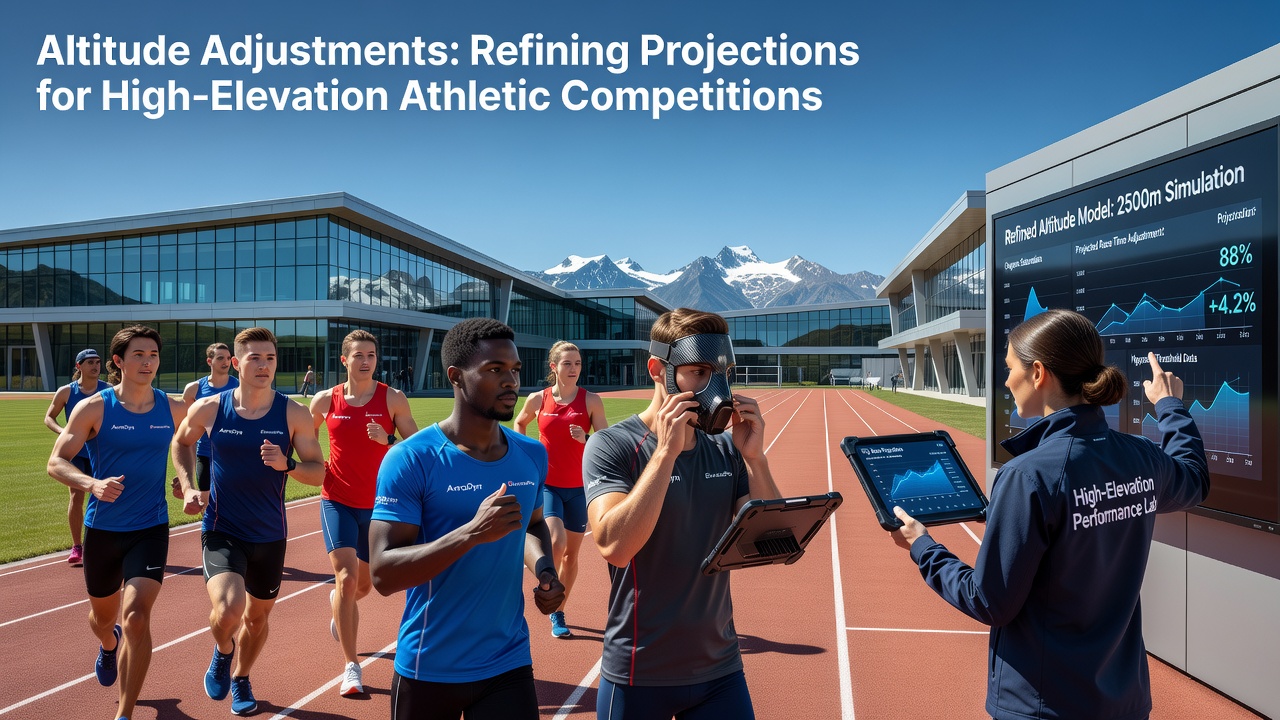
High-elevation athletic competitions present unique physiological challenges that demand precise adjustments to performance projections, and researchers have documented these effects across multiple sports since the mid-20th century. Lower atmospheric pressure reduces oxygen availability, which alters endurance capacity, recovery rates, and pacing strategies in events held above 1,500 meters. Data from various studies show that aerobic performance declines by roughly 7 to 10 percent for every 1,000 meters gained in altitude, while anaerobic efforts experience less pronounced impacts.
Physiological Mechanisms at Play
Reduced partial pressure of oxygen triggers immediate responses such as increased breathing rate and heart rate, yet these compensations fail to fully offset the deficit during sustained efforts. Studies conducted by institutions in the United States and Switzerland reveal that maximal oxygen uptake drops significantly at elevations like those found in Denver or Mexico City, leading to faster fatigue in distance runners and cyclists. Strength and power events show minimal disruption because they rely less on oxidative metabolism, but team sports that mix bursts with recovery periods require tailored modeling to account for altered work-rest ratios.
Historical Data and Performance Shifts
The 1968 Mexico City Olympics at 2,240 meters provided early evidence of altitude's selective influence, where sprint and jump records fell while distance events produced slower times than sea-level equivalents. Subsequent analyses by sports scientists in Canada and Australia confirmed similar patterns in modern competitions, including marathon and triathlon events staged in the Andes or at European mountain venues. These findings prompted governing bodies to incorporate altitude corrections into qualification standards and ranking algorithms, ensuring fair comparisons across different competition sites.
Refinement Techniques for Projections
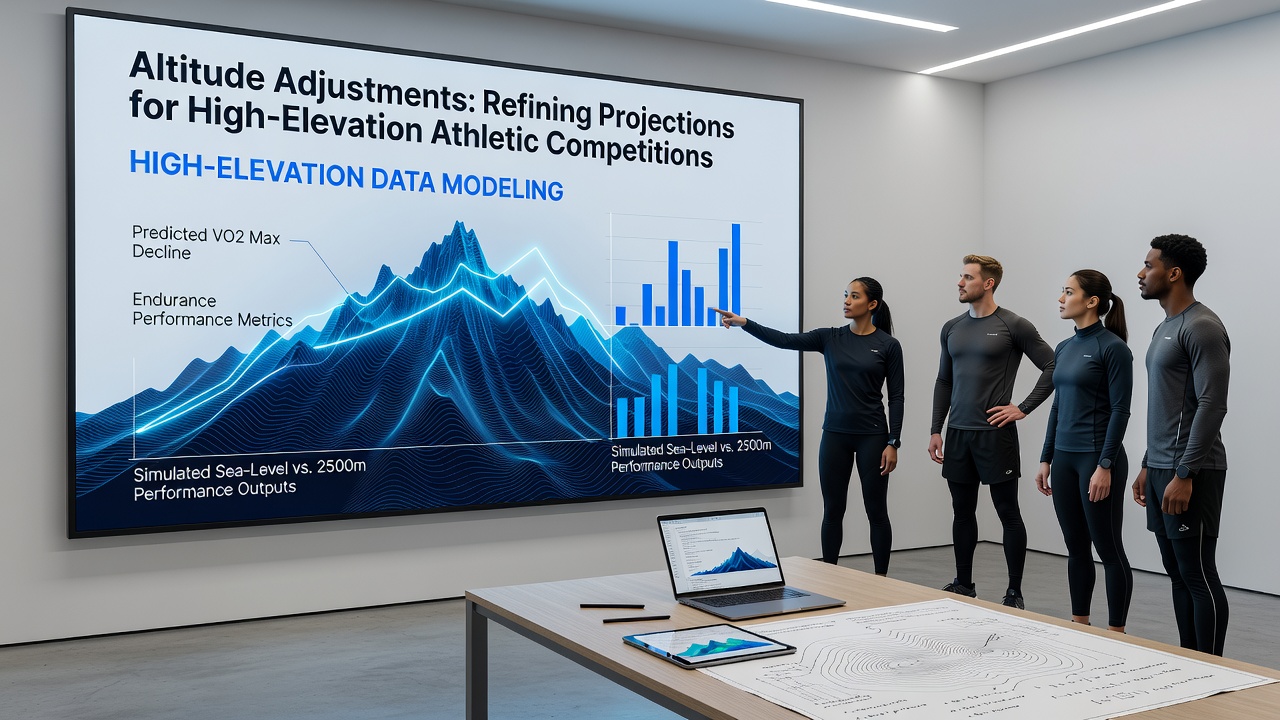
Current projection models integrate variables such as acclimatization duration, individual hemoglobin response, and event-specific energy demands. Organizations like the Australian Institute of Sport and the International Olympic Committee have published frameworks that apply correction factors derived from field tests and laboratory simulations. These methods combine linear regressions with nonlinear adjustments for extreme elevations above 3,000 meters, where acute mountain sickness risks rise sharply. Teams preparing for August 2026 fixtures at high-altitude venues now routinely simulate conditions months in advance to calibrate expected outputs.
Practical Applications in Contemporary Events
National federations across Europe and South America apply these refined projections when selecting squads for tournaments scheduled in mountainous regions. One study from a Norwegian research group demonstrated that incorporating real-time blood oxygen saturation data improved prediction accuracy by 12 percent compared with static altitude tables alone. Event organizers in Peru and Colorado routinely publish adjusted entry times that reflect local conditions, allowing athletes to set realistic targets rather than chasing sea-level benchmarks. Training protocols emphasize staged exposure, with periods of 10 to 21 days recommended for full physiological adaptation according to guidelines from multiple sports medicine associations.
Emerging Tools and Data Integration
Wearable sensors and portable gas analyzers now feed live metrics into cloud-based platforms that update projections during competition. Researchers in Japan and South Africa have tested machine-learning algorithms trained on decades of altitude performance records, producing individualized forecasts that factor in age, prior exposure history, and genetic markers linked to hypoxia tolerance. These systems reduce uncertainty in mixed-elevation schedules, particularly for athletes traveling between low- and high-altitude venues within short turnaround windows. As preparations intensify for several international meets planned around August 2026, federations continue to refine these digital tools with fresh validation datasets.
Conclusion
Accurate altitude adjustments rest on accumulated physiological evidence, historical benchmarks, and iterative modeling that accounts for both environmental and individual variables. Continued collaboration among research centers worldwide supports more reliable projections that help athletes, coaches, adn organizers navigate the demands of high-elevation competition.