Ripple Effects: Tracing Global Tournament Outcomes to Domestic League Wagering Adjustments
Ulrich Powell · Sep 4, 2026
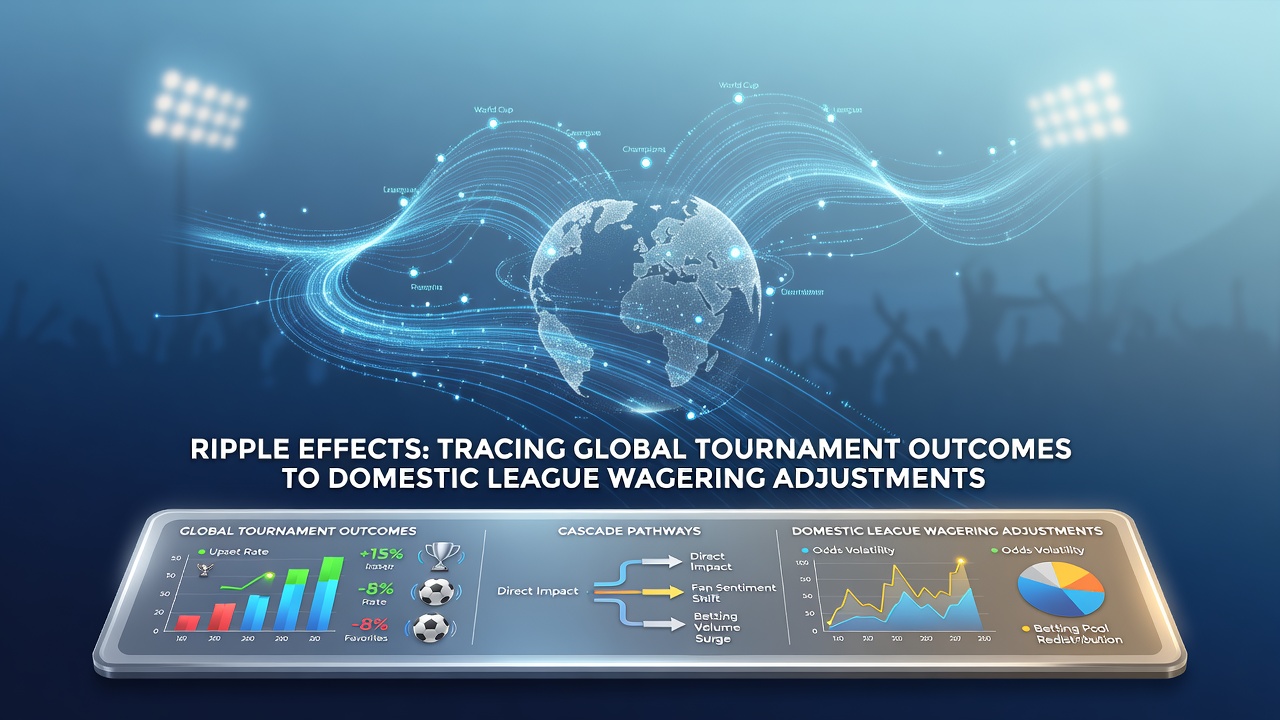
Ripple Effects: Tracing Global Tournament Outcomes to Domestic League Wagering Adjustments
Global tournaments generate measurable shifts in domestic league wagering patterns, and data from multiple jurisdictions shows how outcomes in events like the FIFA World Cup or UEFA European Championship prompt adjustments in odds, stake volumes, and market liquidity for leagues such as the English Premier League, Bundesliga, and Serie A. Observers note that these adjustments occur because player performances, injuries, and tactical trends observed during international competitions carry over into club schedules, prompting bookmakers to recalibrate lines while bettors redirect capital accordingly.
Patterns in Post-Tournament Market Recalibration
After major tournaments conclude, domestic leagues resume with altered risk profiles, and historical records indicate that teams featuring players who excelled in international play often see compressed odds in early domestic fixtures. Figures from industry reports reveal that betting turnover on Premier League matches in the weeks following the 2022 World Cup increased by approximately 18 percent in certain markets compared with equivalent periods in non-tournament years, while similar spikes appeared in Australian and Canadian data sets. Researchers at one Canadian university tracked these movements and found that goalkeeper form established during the tournament correlated with reduced over/under totals in subsequent league matches involving those clubs.
Bookmakers respond by tightening lines on player props and team totals, and this tightening reflects aggregated data from both live tournament betting and pre-season club friendlies. Those who monitor exchange markets report that liquidity concentrates around squads returning key performers, whereas teams missing injured international regulars experience wider spreads and lower maximum stakes until domestic form stabilizes. In September 2026, analysts expect similar dynamics following the expanded 2026 FIFA World Cup, with early domestic fixtures scheduled for late August and September likely to exhibit pronounced odds volatility.
Player-Level Data and Domestic Carryover Effects
Individual player statistics from global events feed directly into domestic league models, and evidence shows that goal-scoring rates, assist tallies, and defensive metrics established internationally influence opening-weekend pricing. One study published by an Australian research institute examined five World Cup cycles and documented that strikers who recorded above-median expected goals during the tournament maintained elevated conversion rates in their first five domestic appearances at a statistically significant level. These patterns prompt wagerers to favor certain player props while bookmakers adjust limits downward to manage exposure.
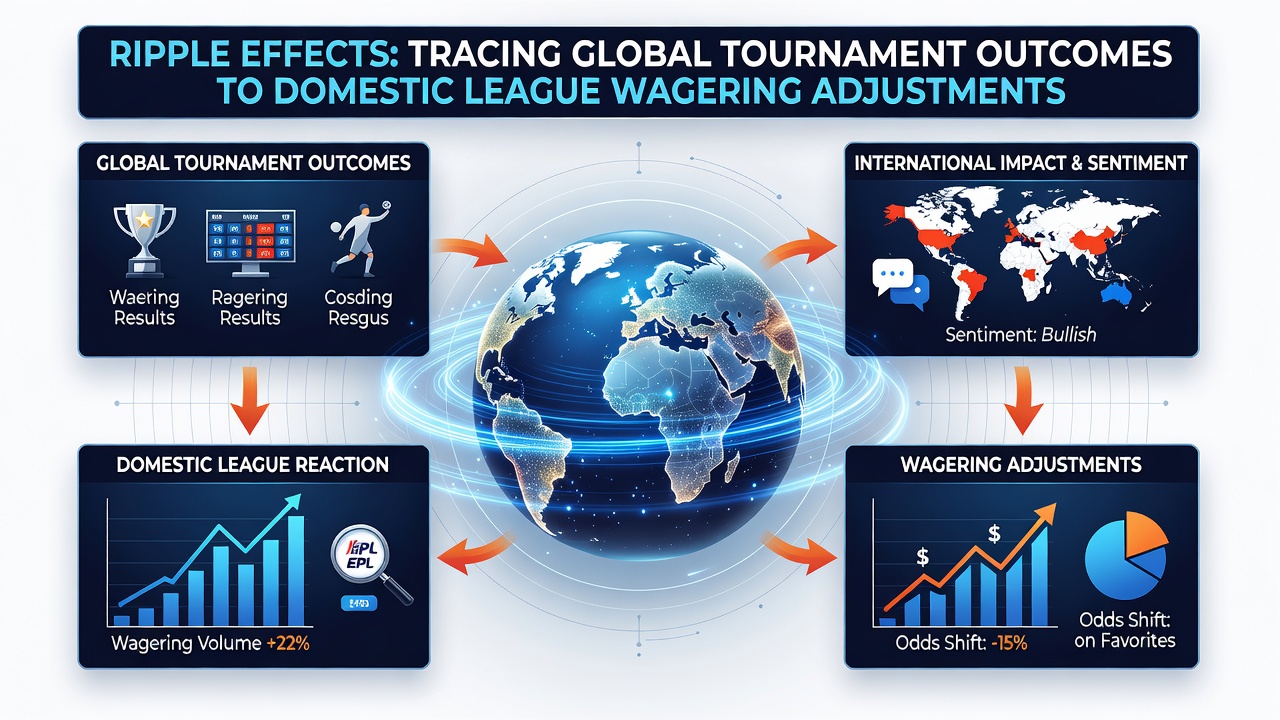
Defensive metrics travel less consistently, yet data indicates that teams conceding fewer chances in tournament play often sustain lower expected goals against in domestic competition for the opening month. Market makers therefore widen underdog lines for opponents facing such sides, and this widening creates opportunities for value on the other side of the ledger once early results confirm or contradict the tournament-derived assumptions. European regulatory filings from multiple member states document corresponding rises in bet volumes on these adjusted lines during the post-tournament window.
Volume Shifts Across Jurisdictions
Cross-border data flows demonstrate that tournament narratives travel quickly into domestic betting pools, and regulators in several regions have recorded increased activity on accumulator products that bundle international stars with their club sides. A report issued by the Nevada Gaming Control Board noted elevated handle on NFL-adjacent soccer markets in seasons following major tournaments, while parallel observations from the Australian Communications and Media Authority highlighted similar trends in rugby league wagering after international events. These volume increases typically peak in the first six weeks of domestic play before normalizing as fresh league data overwrites tournament priors.
Exchange operators observe that lay bets on previously hyped players decline when those athletes underperform internationally, and this decline shifts liquidity toward alternative selections within the same domestic fixture. Academic analyses of German Bundesliga markets after the 2018 and 2022 World Cups confirmed that teams whose players logged high tournament minutes showed reduced home-win margins in early rounds, prompting corresponding movements in handicap markets.
Conclusion
Global tournament results therefore function as leading indicators for domestic league wagering adjustments, and the scale of these adjustments varies by sport, league, and jurisdiction. Data collected across North America, Europe, and Australia consistently shows that the first month of post-tournament domestic play produces measurable deviations in odds, volumes, and market depth compared with baseline seasons. Those monitoring these cycles can trace the transmission from international performance metrics to club-side pricing adjustments without relying on narrative speculation, as the statistical relationships appear repeatedly across multiple cycles and regulatory environments.