Unraveling Fatigue Patterns from Condensed Schedules in Elite Volleyball Competitions
Cameron Hoffmann · Aug 17, 2026
Unraveling Fatigue Patterns from Condensed Schedules in Elite Volleyball Competitions
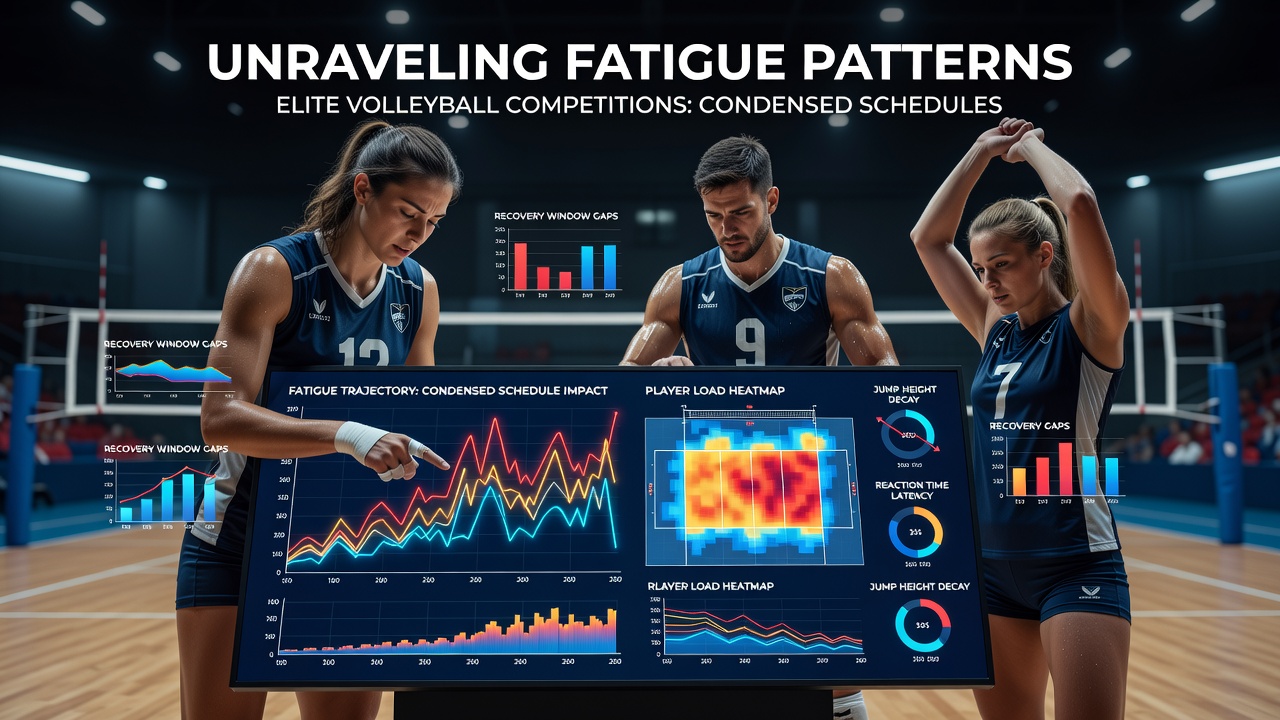
Elite volleyball competitions frequently pack multiple high-stakes matches into brief windows, and observers note that these condensed schedules produce measurable fatigue patterns across professional and national teams. Researchers track recovery markers, jump height declines, and injury rates to map how repeated bouts of play affect athletes when rest intervals shrink below typical thresholds.
Schedule Structures That Drive Fatigue Accumulation
National leagues and international tournaments often slot three to five matches within seven to ten days, while whereas traditional formats allow fuller recovery cycles between contests. Data from monitoring programs indicate that travel demands compound the issue when teams cross time zones without adequate adjustment periods. One analysis of European league play revealed that squads facing back-to-back weekend doubleheaders showed consistent drops in spike velocity after the second match, and these decrements persisted even after 48 hours of rest in some cases.
August 2026 brings the Volleyball Nations League final rounds alongside domestic championship playoffs in several countries, and this overlap creates particularly tight windows for top players who compete on both fronts. Performance logs compiled by federation analysts show elevated internal load scores during such periods, with heart rate variability readings trending lower than baseline values recorded earlier in the season.
Physiological Markers and Performance Metrics
Studies measure vertical jump height, repeated sprint ability, and creatine kinase levels to quantify fatigue, and results demonstrate clear patterns when match density increases. Players exhibit reduced countermovement jump outputs by 5 to 8 percent after three matches in five days, according to longitudinal tracking in professional circuits. Concurrently, serve accuracy metrics decline as neuromuscular fatigue sets in, while defensive reaction times lengthen during later sets of evening contests.
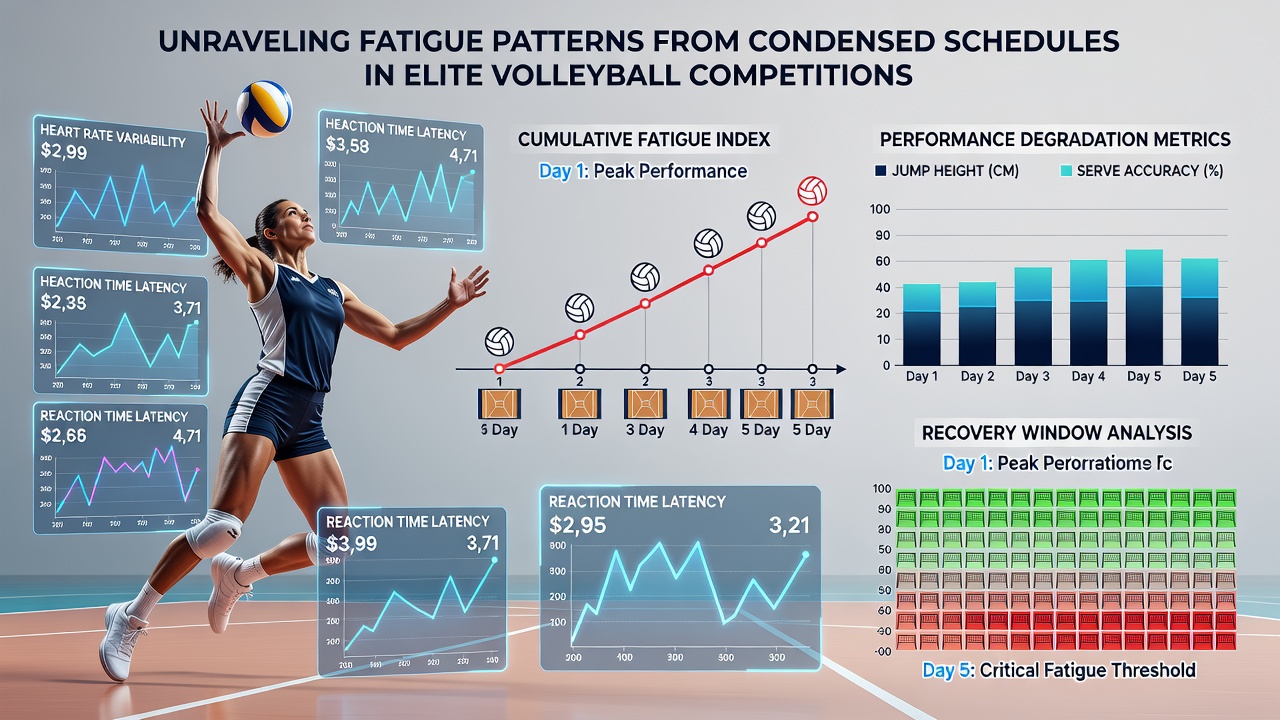
Researchers from the Australian Institute of Sport examined national team athletes during compressed qualification windows and found that sleep efficiency dropped notably when matches occurred on consecutive evenings. Those measurements aligned with self-reported soreness scales that peaked on day four of tournament blocks, and the patterns held across both indoor and beach volleyball cohorts despite differences in court surface and match duration.
Observed Patterns Across Competition Levels
College programs in North America face similar constraints during conference tournaments that compress quarterfinal, semifinal, and final matches into three days, and data collected by athletic departments reveal elevated soft-tissue injury incidence in the weeks following such events. European club competitions add another layer when Champions League fixtures interleave with domestic league obligations, creating sequences where elite athletes log over 120 minutes of court time across four matches in six days.
Analyses of match statistics indicate that blocking efficiency suffers most noticeably under these conditions, whereas attacking percentages show smaller but still detectable reductions. Teams that rotate larger bench rotations maintain steadier performance curves, and this observation appears consistently in records from multiple seasons. External load data captured via wearable sensors further illustrate that total distance covered and high-intensity efforts accumulate faster than recovery capacity allows when rest between matches falls below 36 hours.
Recovery Interventions Documented in Practice
Teams implement cold-water immersion, compression garments, and structured nutrition protocols during short turnaround periods, and monitoring studies track how these measures influence subsequent match outputs. One multi-year review of professional squads found that structured sleep extension protocols correlated with smaller declines in jump performance across condensed blocks, while players who maintained normal sleep schedules showed larger variability in readiness scores. Nutritional timing around matches also receives attention, with carbohydrate replenishment windows adjusted to offset glycogen depletion that occurs more rapidly under high match density.
Federation reports from the FIVB highlight how youth development pathways sometimes accelerate athletes into senior condensed schedules without corresponding recovery support, and this transition period shows elevated overuse injury reports in the first two seasons at elite level. Observers tracking these cohorts note that gradual exposure to tighter calendars helps athletes develop tolerance, yet abrupt increases in match volume still produce measurable disruptions in training load management.
Conclusion
Condensed schedules in elite volleyball generate identifiable fatigue patterns that surface through performance metrics, physiological markers, and injury data collected across professional and collegiate levels. August 2026 events will likely repeat these conditions for many athletes, and ongoing monitoring programs continue to refine understanding of how travel, match density, and recovery windows interact. Researchers maintain focus on objective measurements to map these effects without attributing outcomes to individual variables alone, and this approach supports broader efforts to align competition calendars with athlete capacity.